The House Edge Explained
The house edge is a fundamental concept that explains why casinos consistently turn a profit over time. It refers to the statistical advantage that the casino has over the player, which varies by game. For instance, games like slots often have a house edge ranging from 2% to 15%. This means that for every $100 wagered, the player can expect to lose between $2 to $15 in the long run. Understanding the house edge is crucial for anyone engaging in gambling, particularly when choosing reputable betting sites that offer fair play, as it demystifies the illusion of potential easy wins, allowing players to approach the games with a more informed mindset.
This house edge is built into the games and is a product of their design. For example, in blackjack, while skill can influence the outcome, the casino still maintains an edge through the rules that govern when players can hit or stand. The house edge ensures that the longer you play, the more likely you are to lose money. Recognizing this fact is vital, as it helps players make informed decisions about how much time and money they want to invest in gambling activities, ultimately leading to a more controlled gaming experience.
Moreover, even though players can experience short-term wins, they should be aware that these are merely fluctuations within the overarching trend dictated by the house edge. This means that even skilled players who adopt strategic gameplay might find that the more they play, the closer they come to average losses dictated by the house’s advantage. Thus, it’s essential to approach gambling with realistic expectations and an understanding of how the house edge influences winning potential. Players who grasp this concept can enjoy their gaming experience without falling into the trap of overconfidence based on temporary victories.
The Myth of Winning Strategies
The belief that there are foolproof strategies to beat the house is a common myth among players. While there are strategies that can enhance a player’s chances in certain games, such as card counting in blackjack, these methods are not guaranteed to overcome the house edge. Casinos are well aware of these strategies and often adjust their rules to mitigate their impact, ensuring that the house remains profitable in the long term. This reality shows that while players can employ tactics, they cannot fully eliminate the house’s advantage, making it crucial for players to have a clear understanding of what is achievable.
Furthermore, many players are drawn to systems that promise to overcome the odds, such as the Martingale strategy, which involves doubling bets after losses. While this may seem effective in the short term, it fails to consider the limitations posed by table maximums and the player’s bankroll. Relying on such strategies can lead to devastating losses, ultimately debunking the myth that players can consistently win against the house. Understanding the inherent risks involved is crucial for responsible gambling and can help maintain a healthy relationship with gaming.
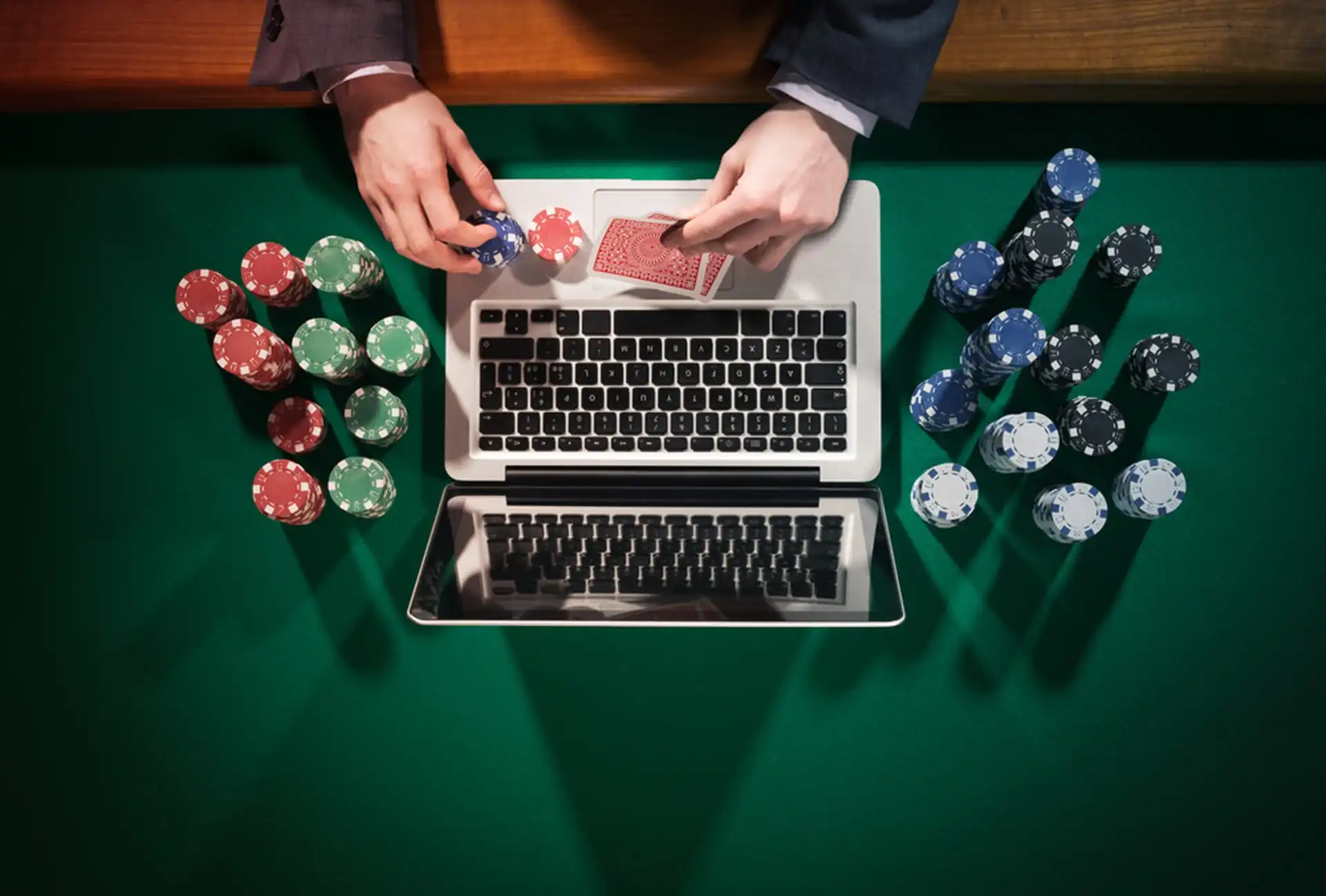
It’s also important to note that different games have different approaches to strategy. While skill-based games like poker allow for deeper strategic thinking and psychological elements, games like roulette are predominantly based on chance. This variance means that players who wish to excel in these games need to choose wisely and adapt their approach accordingly. Acknowledging that no single strategy guarantees success will lead to a more enjoyable gambling experience, free from the frustrations of unrealistic expectations and the disappointment of believing in unfounded theories.
The Role of Luck and Randomness
Luck is often romanticized in the gambling world, leading many to believe that players can ride a lucky streak to substantial winnings. However, it’s essential to understand that luck is inherently random and unpredictable. In reality, while players may win in the short term, these outcomes are usually the result of variance rather than a sign of a winning strategy or skill. This randomness is a fundamental aspect of games of chance, which play a significant role in differentiating gambling from other forms of activities. Recognizing this can help players maintain a healthier perspective on their gaming sessions.
Moreover, the concept of “hot” or “cold” streaks can deceive players into believing they can predict outcomes based on recent results. In reality, each game is an independent event, and previous outcomes do not influence or alter future results. For instance, in a game of roulette, the probability of an outcome remains constant regardless of previous spins, thereby debunking the myth that players can outsmart the odds based on luck. Embracing the randomness of gambling promotes a more realistic outlook, minimizing the emotional rollercoaster that often accompanies the highs and lows of gaming.
Additionally, while luck does play a role, it is often overshadowed by the mathematical probabilities that govern each game. Players might experience a series of wins due to random chance, but over time, the law of large numbers dictates that the outcomes will align more closely with expected probabilities. Recognizing this principle serves as a reminder that while short-term luck may seem favorable, over time, the house edge will prevail, leading to losses for players who do not play wisely. This understanding can help players set more realistic goals and expectations for their gaming experience.
The Emotional Aspect of Gambling
The emotional influence on gambling behavior is another key aspect that many players underestimate. Gambling elicits strong emotional responses, from excitement and joy during winning moments to disappointment and frustration when luck runs dry. These emotions can cloud judgment and lead to irrational decisions, perpetuating a cycle where players continue to gamble in hopes of recapturing their losses or sustaining a winning streak. Recognizing this emotional component is essential for responsible gambling, as it can significantly impact a player’s experience and choices.

Moreover, many players fall victim to the “loss chasing” mentality, which occurs when they attempt to recover losses by increasing bets or playing longer than initially planned. This behavior can lead to even greater losses and creates a dangerous cycle of emotional investing in the outcome of each game. Understanding how emotions affect gambling decisions can empower players to implement strategies that prioritize self-control and mindful play, helping to mitigate the risk of emotional decision-making that can lead to negative consequences.
Ultimately, maintaining a balanced emotional state while gambling is vital to enjoying the experience without incurring significant financial risks. Being aware of emotional triggers and establishing clear limits can help players engage in gambling more responsibly, ensuring that their experience remains fun and entertaining rather than stressful and regretful. Increasing awareness of these emotional factors can lead to a healthier approach to gambling overall, promoting enjoyment rather than adding undue stress to the gaming experience.
Understanding Responsible Gambling Practices
Responsible gambling practices are essential for anyone looking to engage in casino games. One key principle is to set a budget before playing and stick to it, regardless of wins or losses. This discipline helps players to avoid falling into the trap of chasing losses or overspending in hopes of winning back what they’ve lost. Having a predetermined budget also fosters a more enjoyable experience, as players can focus on entertainment rather than financial outcomes, which can be detrimental if not monitored carefully.
Another critical aspect of responsible gambling is understanding personal limits and recognizing when to take a break. Gambling can be highly engaging, making it easy to lose track of time and spending. Establishing clear limits for both time and money can help players maintain control over their gambling habits. Taking breaks can also provide perspective, allowing players to return with a clearer mindset, reducing the likelihood of making impulsive decisions based on emotions. This practice encourages a healthier relationship with gambling.
Moreover, being aware of the signs of gambling addiction and knowing when to seek help cannot be overstated. Many players may struggle with their gambling habits, which can lead to significant personal and financial consequences. Support resources, such as counseling and support groups, are available to help individuals navigate these challenges. By fostering an environment where responsible gambling practices are prioritized, players can enjoy their gaming experience without jeopardizing their well-being. Ultimately, the goal is to create a sustainable and enjoyable approach to gambling, ensuring that players can partake in their favorite activities responsibly.