Dispelling myths Common misconceptions about gambling you need to know
Understanding the Nature of Gambling
Gambling has long been a topic surrounded by myths and misconceptions that can skew public perception. One prevalent myth is that gambling is purely a game of luck, leaving little room for strategy. In reality, while luck plays a significant role, many games involve skill, strategy, and knowledge that can significantly influence outcomes. For instance, games like poker require a deep understanding of probabilities and psychology, making them more strategic than purely luck-based. Many players also enjoy the thrill of betting on games like those found in a casino pinco, where strategies for specific games can enhance their experience. To switch things up, you canplay Aviator online and discover new ways to engage with the odds.
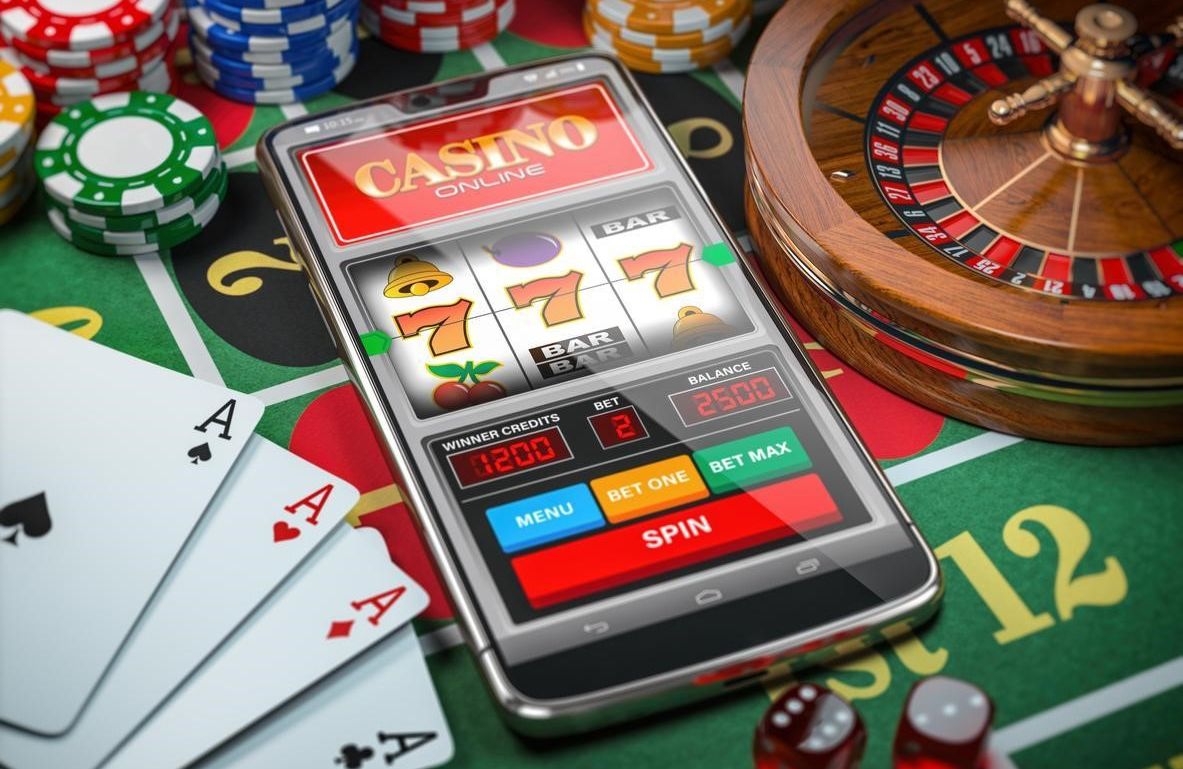
Additionally, there’s a common misconception that all gamblers are compulsive or addicted. While gambling can lead to addiction for some, the majority of participants engage in it responsibly. Many people enjoy gambling as a form of entertainment, much like attending a sporting event or watching a movie. Understanding that gambling can be a recreational activity for many, rather than a detrimental habit, can help reshape public attitudes.
Moreover, many believe that winning at gambling means beating the casino or house. However, the casino does not always need to be “beaten.” Many gamblers aim for enjoyment and the thrill of playing rather than solely focusing on winning. This perspective shift emphasizes that gambling can be about the experience itself, rather than the financial outcomes alone.
The Illusion of ‘Hot’ and ‘Cold’ Streaks
Another widespread myth in the gambling community is the belief in “hot” and “cold” streaks. Players often think that a game has a pattern or rhythm that can be predicted, leading them to alter their betting behavior accordingly. This is especially common in games like roulette or slot machines, where players feel that a machine that hasn’t paid out recently is “due” for a win. In reality, every spin and every deal in casino games is independent, governed by random number generators or shuffling techniques that ensure fairness and unpredictability.
The idea of streaks can also lead to chasing losses, where players increase their bets in an attempt to recover losses after a losing streak. This behavior often leads to greater losses and can contribute to problematic gambling patterns. Understanding that each game outcome is independent can help gamblers approach their play more rationally and avoid emotional betting strategies.
Furthermore, it’s crucial to recognize that casinos design games to have a built-in edge, meaning over the long term, the house will always win. This doesn’t mean players can’t win in the short term but emphasizes the importance of understanding the odds and not relying on faulty beliefs about patterns. Accepting that luck is fleeting can help gamblers make more informed decisions about their play and finances.
The Myths Surrounding Gambling Strategies
Many new gamblers believe that certain strategies can guarantee wins, like the Martingale betting system or card counting in blackjack. While these strategies can improve the odds in some situations, they are often misunderstood. For instance, the Martingale system, which involves doubling bets after each loss, can lead to substantial financial risk if a player encounters a long losing streak. It’s essential to approach such strategies with caution and recognize their limitations rather than viewing them as foolproof methods.
In poker, card counting can be effective, but it requires significant skill, focus, and practice. Moreover, most casinos employ countermeasures to detect card counters, which can result in being banned from play. Many gamblers misunderstand these strategies and overestimate their effectiveness, leading to unrealistic expectations and potential financial difficulties.
Understanding that there is no guaranteed winning strategy in gambling is vital for both enjoyment and responsible gaming. By focusing on learning the game, practicing, and managing bankrolls wisely, players can enhance their experience without falling into the trap of relying on myth-based strategies that often lead to disappointment.
The Misconception of Gambling as a Financial Solution
Another common myth is the belief that gambling can serve as a quick solution to financial problems. Many people mistakenly think that they can win big and solve their money issues through gambling. This misconception can lead to risky behavior, such as gambling with funds needed for essentials like rent or bills. The reality is that most gamblers will lose money over time, and treating gambling as a financial strategy is not only misleading but can also lead to severe financial consequences.
Moreover, the financial impact of gambling can extend beyond the individual to affect families and communities. Understanding the potential for negative consequences can promote a more responsible approach to gambling. By viewing it as a form of entertainment rather than a financial solution, individuals can enjoy the activity without the added stress of expecting to recoup lost money.
It’s essential to approach gambling with a clear mindset. Setting limits, budgeting for entertainment expenses, and recognizing the potential for loss can help individuals enjoy gambling while protecting their financial well-being. Education and awareness about the risks involved can significantly reduce the chances of falling into the trap of chasing losses or relying on gambling for income.

Community and Resources for Responsible Gambling
Engaging with a community of informed gamblers can enhance the gambling experience while promoting responsible behavior. Many platforms provide resources, support, and information for individuals who seek to understand gambling better. These resources can include tips for managing bankrolls, understanding odds, and recognizing when to take breaks from gaming activities. Building a community can help dispel myths and foster a culture of responsible gambling.
Additionally, many casinos and online platforms offer information on responsible gambling practices, including self-exclusion programs and limits on play. These initiatives empower gamblers to make informed decisions and encourage a healthier relationship with gambling. Recognizing the signs of problem gambling and knowing where to seek help is crucial for those who may be struggling.
Ultimately, creating a supportive environment that encourages healthy gambling habits contributes to a more positive gaming community. By acknowledging the reality of gambling and dispelling common myths, participants can engage in this activity with a sense of responsibility, ensuring it remains an enjoyable part of their lives rather than a source of stress or financial burden.